Buy lipstick-at-home.eu ?
We are moving the project
lipstick-at-home.eu .
Are you interested in purchasing the domain
lipstick-at-home.eu ?
domain@kv-gmbh.de · 0541-91531010
Buy lipstick-at-home.eu ?
How can one make activated charcoal at home?
To make activated charcoal at home, you can start by burning natural materials like wood or coconut shells in a low-oxygen environment, such as a metal tin with a small hole in it. This process will create charred material, which can then be ground into a fine powder. Next, the powder can be activated by heating it with a gas or chemical activator like steam or potassium hydroxide. Finally, the activated charcoal should be washed and dried thoroughly before use. It's important to note that making activated charcoal at home can be a complex and potentially hazardous process, so it's recommended to purchase activated charcoal from a reputable source for safety and effectiveness. **
What filters best, ash, charcoal, or activated charcoal?
Activated charcoal is the best filter among the three options. It has a larger surface area and more porous structure, allowing it to effectively trap and remove impurities from air and water. Ash and regular charcoal may also have some filtering properties, but they are not as effective as activated charcoal. Therefore, when it comes to filtering, activated charcoal is the superior choice. **

Similar search terms for Charcoal
Top-Angebote
Products related to Charcoal:
-
William Morris at Home William Morris Willow Bough Charcoal WallpaperThis iconic pattern forms part of The Gallery's collection of earlier printed chintz and wallpaper lengths. The design is based on the natural willow form, which was one of William Morris' favorite motifs.136,99 $*Shipping: 0,00 $Secure redirect to the provider
-
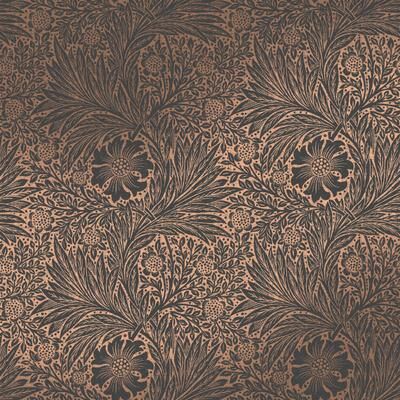
William Morris at Home William Morris Marigold Fibrous Charcoal WallpaperMarigold was designed by William Morris and registered as a wallpaper in 1875. The pattern incorporates larger marigold flowers amongst sprays of willow-like leaves in a sub-pattern of smaller foliage and flowers.160,00 $*Shipping: 0,00 $Secure redirect to the provider
-
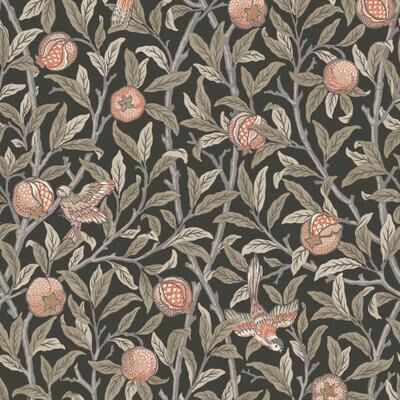
William Morris at Home William Morris Bird & Pomegranate Charcoal WallpaperA beautiful and dynamic Morris design featuring perching and swooping birds against a network of foliage and an abundance of ripe pomegranates - some whole, some bursting open, and others getting pecked at by diving birds.128,00 $*Shipping: 0,00 $Secure redirect to the provider
-
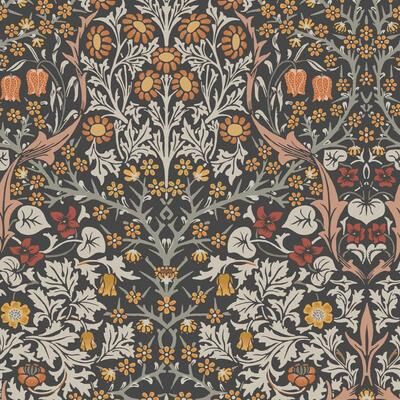
William Morris at Home William Morris Blackthorn Charcoal & Burnt Orange WallpaperDesigned in 1892, Blackthorn was originally block-printed and features white blackthorn (or sloe) blossoms and violets with meadow flowers of red snakes head fritillaries and yellow daisies.136,99 $*Shipping: 0,00 $Secure redirect to the provider

-
Is charcoal dangerous?
Charcoal itself is not inherently dangerous, but it can pose risks if not used properly. When burned, charcoal produces carbon monoxide, a colorless, odorless gas that can be harmful or even deadly if inhaled in high concentrations. Therefore, it is important to always use charcoal in a well-ventilated area to prevent the buildup of carbon monoxide. Additionally, ingesting charcoal can be dangerous and should be avoided. Overall, when used safely and responsibly, charcoal can be a useful and effective fuel source for cooking and heating. **
-
Who produces charcoal?
Charcoal is typically produced by burning wood in a low-oxygen environment, a process known as pyrolysis. This can be done on a small scale by individuals for personal use or on a larger scale by commercial operations. Charcoal is also produced as a byproduct of other industries, such as the production of steel or sugar. **
-
Is it possible to use charcoal instead of activated charcoal?
While charcoal and activated charcoal may look similar, they are not the same. Activated charcoal has been specially treated to increase its surface area and make it more porous, which enhances its ability to adsorb toxins and impurities. Regular charcoal, on the other hand, may not have the same adsorption capabilities. Therefore, it is not recommended to use regular charcoal as a substitute for activated charcoal in medical or purification applications. **
-
What color is charcoal?
Charcoal is typically a dark gray or black color. It is the color of the residue left after burning wood or other organic materials. Charcoal is often used for drawing and sketching because of its deep, rich color. **


Can you eat charcoal?
While charcoal is not meant to be consumed, there are certain types of activated charcoal that are safe for consumption in small amounts. Activated charcoal is sometimes used in emergency situations to treat certain types of poisoning or overdose. However, it is important to note that consuming charcoal regularly or in large amounts can be harmful and interfere with the absorption of nutrients in the body. It is always best to consult with a healthcare professional before consuming charcoal for any purpose. **
Where is charcoal produced?
Charcoal is produced through a process called pyrolysis, which involves heating wood, coconut shells, or other organic materials in the absence of oxygen. This process can be carried out in traditional kilns or modern industrial retorts. Charcoal production is commonly found in areas with abundant sources of wood or coconut shells, such as forests, plantations, or rural areas. **
Top-Angebote
Products related to Charcoal:
-
Eveline Cosmetics Choco Glamour moisturising glossy lipstick shade 01 Ruby Chocolate 4,5 mlEveline Cosmetics Choco Glamour, 4.5 ml, Lipsticks for Women, Beautifully accentuated lips never go out of style. The Eveline Cosmetics Choco Glamour lipstick envelops the surface of your lips in a continuous layer of irresistible and rich colour, accentuating any makeup look perfectly, whether you’re heading to work, a meeting or a party. It allows you to emphasise your lips while also giving them the shape you want or a fuller look. In just a moment, it will give your lips a gorgeous colour and perfect shape, making them the centre of attention and irresistibly kissable. Characteristics: give lips a fine gloss lips look full and healthy washes out easily moisturises and cares for your lips Ingredients: vegan product How to use: Apply with a gentle stroke to the lips, from the centre of the mouth to the corners. Repeat application for greater emphasis.6,20 £*Shipping: 3,99 £Secure redirect to the provider
-
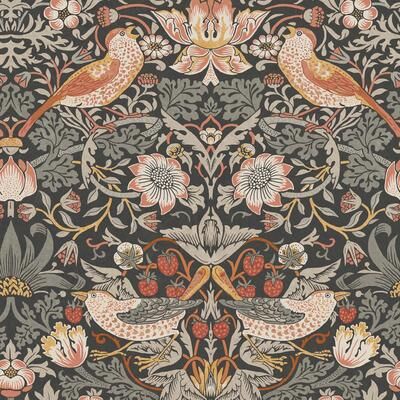
William Morris at Home William Morris Strawberry Thief Charcoal WallpaperPerhaps William Morris's most recognizable design, Strawberry Thief, was inspired by the thrushes that crept under Morris's strawberry nets in his garden at Kelmscott Manor, Oxfordshire.102,40 $*Shipping: 0,00 $Secure redirect to the provider
-
William Morris at Home William Morris Willow Bough Charcoal WallpaperThis iconic pattern forms part of The Gallery's collection of earlier printed chintz and wallpaper lengths. The design is based on the natural willow form, which was one of William Morris' favorite motifs.136,99 $*Shipping: 0,00 $Secure redirect to the provider
-
William Morris at Home William Morris Marigold Fibrous Charcoal WallpaperMarigold was designed by William Morris and registered as a wallpaper in 1875. The pattern incorporates larger marigold flowers amongst sprays of willow-like leaves in a sub-pattern of smaller foliage and flowers.160,00 $*Shipping: 0,00 $Secure redirect to the provider
-
How can one make activated charcoal at home?
To make activated charcoal at home, you can start by burning natural materials like wood or coconut shells in a low-oxygen environment, such as a metal tin with a small hole in it. This process will create charred material, which can then be ground into a fine powder. Next, the powder can be activated by heating it with a gas or chemical activator like steam or potassium hydroxide. Finally, the activated charcoal should be washed and dried thoroughly before use. It's important to note that making activated charcoal at home can be a complex and potentially hazardous process, so it's recommended to purchase activated charcoal from a reputable source for safety and effectiveness. **
-
What filters best, ash, charcoal, or activated charcoal?
Activated charcoal is the best filter among the three options. It has a larger surface area and more porous structure, allowing it to effectively trap and remove impurities from air and water. Ash and regular charcoal may also have some filtering properties, but they are not as effective as activated charcoal. Therefore, when it comes to filtering, activated charcoal is the superior choice. **
-
Is charcoal dangerous?
Charcoal itself is not inherently dangerous, but it can pose risks if not used properly. When burned, charcoal produces carbon monoxide, a colorless, odorless gas that can be harmful or even deadly if inhaled in high concentrations. Therefore, it is important to always use charcoal in a well-ventilated area to prevent the buildup of carbon monoxide. Additionally, ingesting charcoal can be dangerous and should be avoided. Overall, when used safely and responsibly, charcoal can be a useful and effective fuel source for cooking and heating. **
-
Who produces charcoal?
Charcoal is typically produced by burning wood in a low-oxygen environment, a process known as pyrolysis. This can be done on a small scale by individuals for personal use or on a larger scale by commercial operations. Charcoal is also produced as a byproduct of other industries, such as the production of steel or sugar. **
Similar search terms for Charcoal
-
William Morris at Home William Morris Bird & Pomegranate Charcoal WallpaperA beautiful and dynamic Morris design featuring perching and swooping birds against a network of foliage and an abundance of ripe pomegranates - some whole, some bursting open, and others getting pecked at by diving birds.128,00 $*Shipping: 0,00 $Secure redirect to the provider
-
William Morris at Home William Morris Blackthorn Charcoal & Burnt Orange WallpaperDesigned in 1892, Blackthorn was originally block-printed and features white blackthorn (or sloe) blossoms and violets with meadow flowers of red snakes head fritillaries and yellow daisies.136,99 $*Shipping: 0,00 $Secure redirect to the provider
-
Beauty Formulas Charcoal hydrogel eye mask with activated charcoal 6 pcBeauty Formulas Charcoal, 6 pc, Eye Masks unisex, The eye area is a highly sensitive area, as the skin there is exceptionally thin and fragile, making it more susceptible to signs of fatigue and ageing. It therefore also requires special treatment with ingredients and consistencies designed exactly for its needs. The Beauty Formulas Charcoal eye mask is great alongside your favourite cream, whenever it feels as though your regular eye area routine needs a bit extra. The mask improves the quality of the skin around your eyes, restoring its vitality and a fresh, rested look. Characteristics: soothes the eye area restores skin firmness and elasticity brightens the eye area Ingredients: vegan product How to use: Remove the eye patches from their packaging and place them on clean skin under the eyes. Allow to act for the time indicated on the packaging. Do not rinse.2,50 £*Shipping: 3,99 £Secure redirect to the provider
-
Beauty Formulas Charcoal toothbrush 1 pcBeauty Formulas Charcoal, 1 pc, Toothbrush for Women, The Beauty Formulas Charcoal toothbrush keeps your teeth healthy and beautiful. It removes plaque effectively and helps prevent tooth decay. Characteristics: polishes the surface of your teeth removes plaque easy to handle provides gentle care for your gums and tooth enamel How to use: Put toothpaste on the brush, moisten and clean the teeth and mouth.4,00 £*Shipping: 3,99 £Secure redirect to the provider
-
Is it possible to use charcoal instead of activated charcoal?
While charcoal and activated charcoal may look similar, they are not the same. Activated charcoal has been specially treated to increase its surface area and make it more porous, which enhances its ability to adsorb toxins and impurities. Regular charcoal, on the other hand, may not have the same adsorption capabilities. Therefore, it is not recommended to use regular charcoal as a substitute for activated charcoal in medical or purification applications. **
-
What color is charcoal?
Charcoal is typically a dark gray or black color. It is the color of the residue left after burning wood or other organic materials. Charcoal is often used for drawing and sketching because of its deep, rich color. **
-
Can you eat charcoal?
While charcoal is not meant to be consumed, there are certain types of activated charcoal that are safe for consumption in small amounts. Activated charcoal is sometimes used in emergency situations to treat certain types of poisoning or overdose. However, it is important to note that consuming charcoal regularly or in large amounts can be harmful and interfere with the absorption of nutrients in the body. It is always best to consult with a healthcare professional before consuming charcoal for any purpose. **
-
Where is charcoal produced?
Charcoal is produced through a process called pyrolysis, which involves heating wood, coconut shells, or other organic materials in the absence of oxygen. This process can be carried out in traditional kilns or modern industrial retorts. Charcoal production is commonly found in areas with abundant sources of wood or coconut shells, such as forests, plantations, or rural areas. **
* All prices are inclusive of VAT and, if applicable, plus shipping costs. The offer information is based on the details provided by the respective shop and is updated through automated processes. Real-time updates do not occur, so deviations can occur in individual cases. ** Note: Parts of this content were created by AI.